WRITING
Wedges, not letters
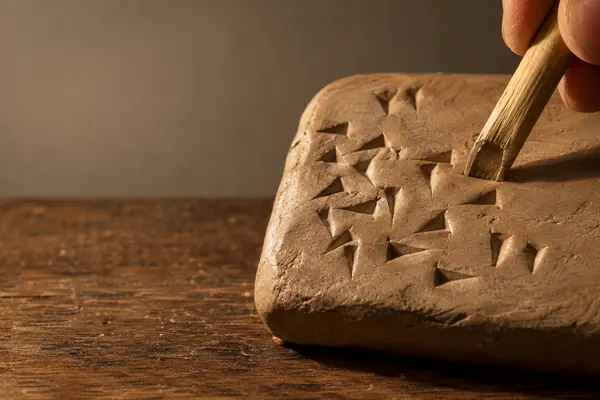
Scribes used a reed stylus to make wedge-shaped marks in clay. Different combinations of marks stood for syllables that built up words.
How it worked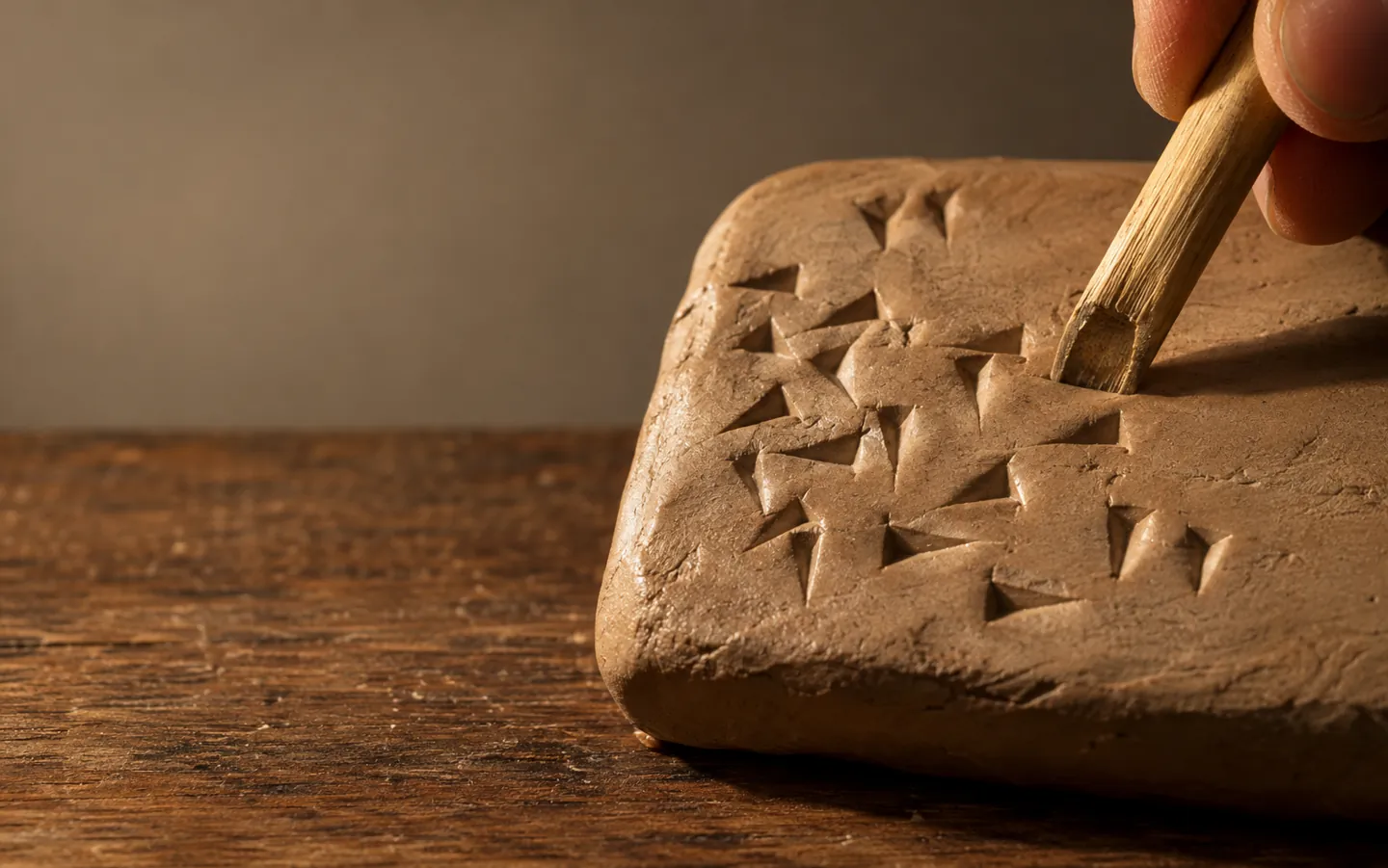
 doodletablet
WHAT ARCHAEOLOGY SAYS
3,000 YEARS of writing on clay
Some of the world's oldest writing was pressed into clay.
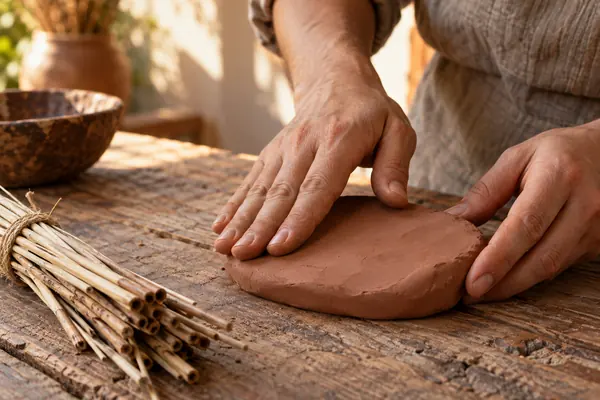
Around 3200 B.C., scribes in the Mesopotamian city of Uruk began pressing a reed stylus into damp clay to record transactions. The wedge-shaped marks, called cuneiform, stayed in use for some 3,000 years.
Updated
Read a tabletTHE SHORT ANSWER
Cuneiform is a script, not a language.
Scribes used it to write many languages.
WRITING
Scribes used a reed stylus to make wedge-shaped marks in clay. Different combinations of marks stood for syllables that built up words.
How it workedRECORDS
Cuneiform began as a way of recording transactions, and most tablets were used for everyday bookkeeping or scribal exercises.
Read a tabletENDINGS
The last datable tablets were written in the late first century A.D. After alphabets took over, the tablets went unread for nearly 2,000 years.
Reading them againA QUICK TABLET CHECK
Pick a kind of text to see what Archaeology magazine's survey of cuneiform found. The bar shows how common that kind of tablet is.
Based on Archaeology magazine (Archaeological Institute of America), The World's Oldest Writing, May/June 2016.
TWO NUMBERS WORTH KNOWING
One date for the beginning,
one estimate for what survives.
≈ 3200 B.C.
When cuneiform was first developed
Sumerian scribes in the city-state of Uruk, in present-day Iraq, first developed cuneiform as a means of recording transactions.
BEGINNINGS · AIA
≈ 500,000
Cuneiform objects excavated, estimated
Archaeology magazine puts the number of excavated cuneiform objects at an estimated half a million, and many have yet to be catalogued and translated.
THE ARCHIVE · AIA
Later scribes also chiselled cuneiform into stone objects, and the script was used to write several languages besides Sumerian, most notably Akkadian.
HOW A TABLET WAS WRITTEN

These steps follow Archaeology magazine's description of how cuneiform was written and read.
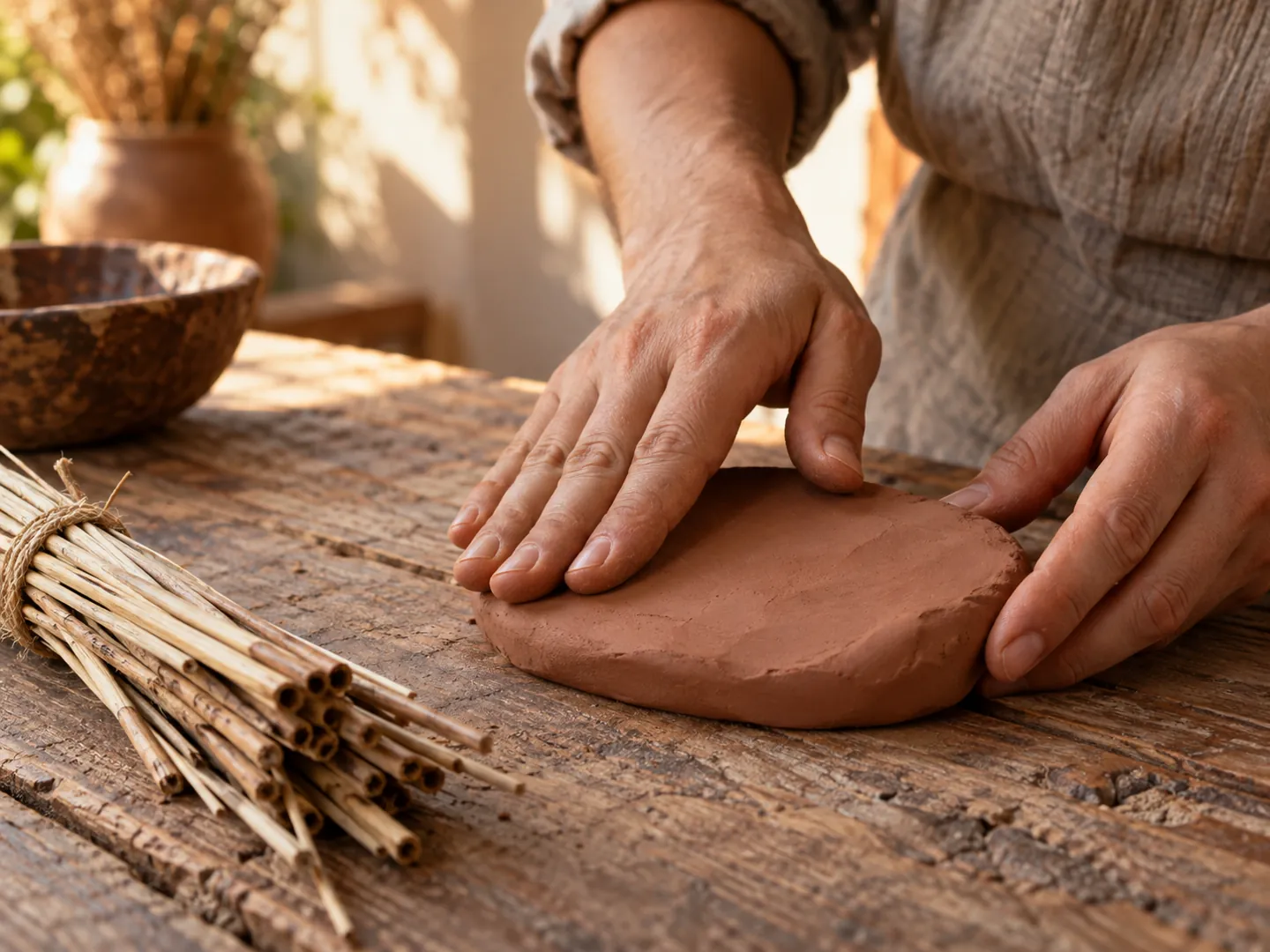
Writing began with a tablet of clay, ready to take the stylus.
A reed stylus pushed into the clay left wedge-shaped indentations, which give cuneiform its name.
Different combinations of marks represented syllables, which were put together to form words.
The same script served scribes of many cultures, writing Sumerian, Akkadian and other languages.
READING THEM AGAIN
It was not until the early nineteenth century, when the tablets began to be excavated, that scholars could try to read them. A key was a trilingual inscription of about 500 B.C. at Bisitun Pass in Iran, written in Persian, Akkadian and Elamite.
By matching repeated words across the three languages, specialists known as Assyriologists slowly pieced together how cuneiform worked. Some early versions of the script remain undeciphered.
Questions
A writing system made of wedge-shaped marks pressed into clay with a reed stylus. It is a script rather than a language and was used to write Sumerian, Akkadian and other languages.
Around 3200 B.C., among Sumerian scribes in the city-state of Uruk, in present-day Iraq, as a way of recording transactions.
Mostly bookkeeping and scribal exercises, but also letters, recipes, maps and astronomical calculations.
Archaeology magazine estimates that about half a million cuneiform objects have been excavated, many still not catalogued or translated.
The last datable tablets were written in the late first century A.D. Some scholars think it ended then; at least one thinks temple scribes kept it going for about two more centuries.
Sources
ABOUT THIS NAME
doodletablet.com is part of the DoodleSale portfolio. It isn't in an auction right now, but you can ask about leasing it.